
How to Power Nap Like a Navy SEAL
The winter holidays are over. Every day assignments and responsibilities that we put aside in order to shop and entertain are now in front of us and past due. One trick for making it through January might be “power naps.” The idea has been around for years and just continues to gain popularity. Let’s take a look at the basics:
- What is a power nap?
- What are the benefits of taking power naps?
- Exactly how do you take a power nap?
- Why do Navy SEALs practice power napping?
- Does a jolt of caffeine before the nap enhance benefits?
What is a power nap?
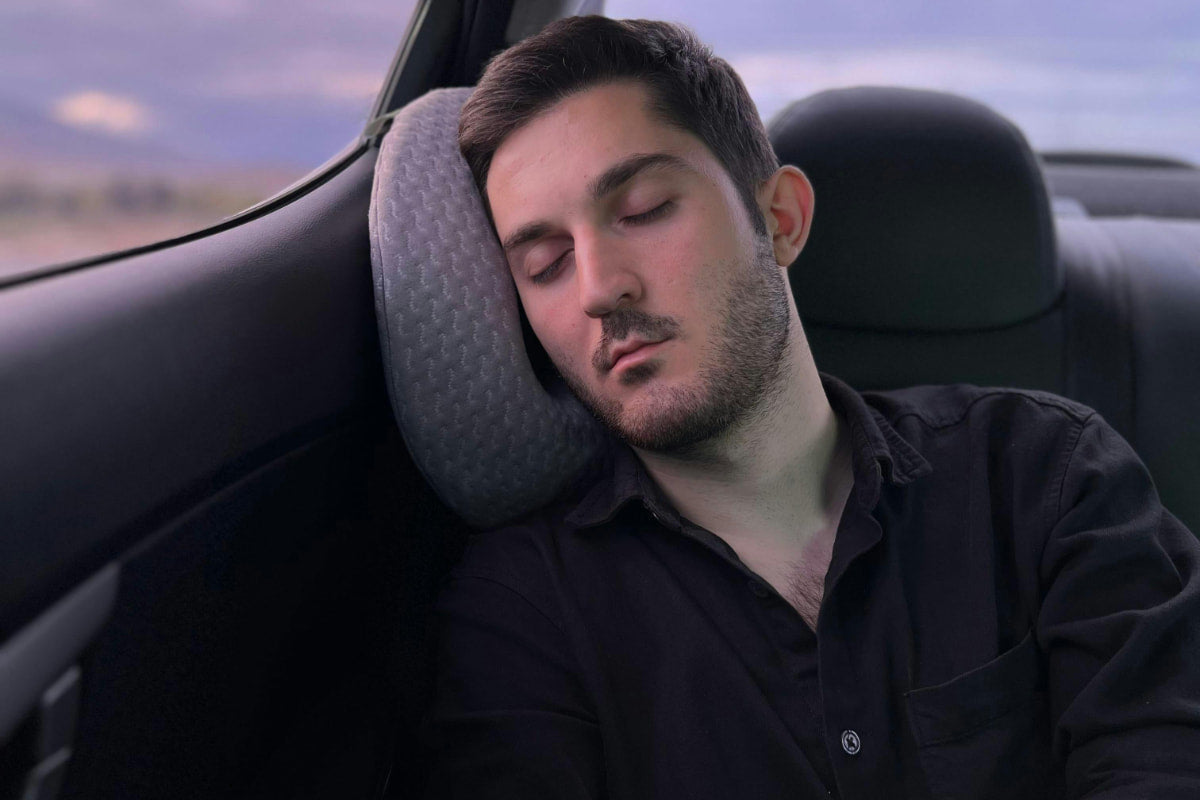
Power naps are short afternoon periods of sleep. Think of them as short and sweet rejuvenation for your body, brain function, and mood. You can take them anywhere. In your car. At your desk. Even in the office restroom if you like. Most practitioners of power napping say they should last 10-20 minutes, long enough to refresh you without producing “sleep inertia” – that groggy sensation that can happen after longer daytime sleep. (If it all sounds hard to actually do, be advised: power napping is an acquired skill. It takes some time to ease into it. However, fans of the practice say it gets easier fairly fast.)
What are the benefits of taking power naps?
Power naps let your body and mind rest. Studies show that they can reduce feelings of stress and improve focus, alertness, even memory. Research also indicates that they may help lower blood pressure and improve heart health. They’ve definitely been shown to enhance work performance. For example, researchers at NASA found that pilots who napped were over 50% more alert and over 30% more proficient at their jobs than pilots who didn’t nap. The study also showed that power naps eliminated microsleep, the tendency to nod off while working. All these benefits have been seen in both men and women, across all adult age groups.
Exactly how do you take a power nap?
- Choose a good time for the nap. Experts advise early afternoon, between 1:00 and 3:00 pm, when our bodies naturally experience an energy dip.
- If possible, nap in the same place each day because your brain will start to connect that space with sleep.
- Pick a comfortable environment, usually a spot that’s cool, quiet, and relatively dark. A quiet area in your office, your parked car, a library, gym lounge, even a hotel lobby (when you’re traveling). You may want to routinely use a small blanket for warmth and maybe an eye mask to cut out daytime light.
- Set an alarm. If possible, give yourself 20 minutes. Naps longer than 30 minutes will probably send you into deeper stages of sleep, which makes it harder to awaken and can also make it harder to fall asleep at night.
Why do Navy SEALs practice power napping?
Originally, because during military operations, longer sleep periods were often dangerous or impossible. Yet operators needed to recover alertness quickly. Thus, the Navy SEAL nap was born. It emphasizes precise timing and mental decompression. It is a power nap designed to preserve attention, reaction time, emotional regulation, and decision-making in the face of extreme mental and physical strain. It lasts only 8 minutes and when you try it, you should elevate your legs above your heart (maybe by propping them on a pillow as you lay on the floor). This encourages blood flow back to your heart, which has major health benefits.
Does a jolt of caffeine before the nap enhance benefits?
Probably. The “coffee nap” is a new variation on power napping. It involves drinking coffee just before going down for a snooze. The practice has been shown to improve alertness and mental clarity. Studies show it also enhances decision making, problem solving, attention, and creativity better than just a cup of caffeinated coffee or just a power nap. If you want to try this approach, again pick a good spot for a short nap. Drink about 200 milligrams of caffeine before attempting to fall asleep. (This is the amount found in a 12-ounce cup of coffee or two shots of espresso.) Try to drink the coffee fairly fast because your body needs to sleep before any effects of the caffeine are felt. Set your alarm for 20 minutes and immediately try to sleep. If you have any medical conditions (such as chronic headaches, insomnia, anxiety, high blood pressure, stomach ulcers or if you’re pregnant), be sure to ask your doctor if the caffeine is safe for you.
You’ve got nothing to lose
How bad can it be to try power napping? If it works, you won the natural health lottery. And even if it doesn’t work, you may find that (as some research suggests) the simple act of trying to clear your mind and allowing yourself to rest adds quality of life to your day. In fact, I’m going to sign off for now – to go take a nap.
Happy New Year, everyone! Here’s to health and happiness for us all in 2026. Let me know if you found this post useful at kate@amazing-solutions.com
Kate Vozoff is CEO of Amazing-Solutions, a Lamaze certified childbirth instructor, and writer with special interest in holistic health.
Sources
- Effects of a Short Daytime Nap on the Cognitive Performance: A Systematic Review and Meta-Analysis. https://pubmed.ncbi.nlm.nih.gov/34639511/. Accessed January 12, 2026
- Should You Take Power Naps? https://health.clevelandclinic.org/power-naps Accessed January 13, 2026.
- Can a quick snooze help with energy and focus? The science behind power naps. https://www.health.harvard.edu/staying-healthy/can-a-quick-snooze-help-with-energy-and-focus-the-science-behind-power-naps. Accessed January 13, 2026
- How to Power Nap for Your Mental Health. https://www.verywellmind.com/power-napping-health-benefits-and-tips-stress-3144702. Accessed January 13, 2026
- The Navy SEAL Sleep Technique is one of the most effective ways to fall asleep quickly – here’s how to try it. https://www.tomsguide.com/news/Navy-SEAL-Sleep-Technique. Accessed January 13, 2026.
- The Navy SEAL Nap: When Short Naps Help, and When They Don’t. https://www.certaintynews.com/article/the-navy-seal-nap-when-short-naps-help-and-when-they-dont. Accessed January 13, 2026.
- Coffee Nap. https://www.sleepfoundation.org/sleep-hygiene/coffee-nap Accessed January 14, 2026.
